1,700-Year-Old Roman Busts Surface Inside an Ancient Israeli Wine Vat
Two pristine marble portraits, one bearing the name "Lycurgus," emerged from a Byzantine-era winepress near Binyamina, reopening questions about Caesarea's lost art collections.

A Roman-style marble bust, similar in style to the protomes recently unearthed near Binyamina, Israel.
On the final day of a routine salvage excavation near Binyamina in northern Israel, archaeologists watched stone emerge from soil that had nothing to do with their original task. What surfaced were two extraordinarily well-preserved Roman marble busts, untouched for roughly 1,700 years and buried face-down inside the ruins of an ancient wine-collection room.
A Dig Meant for a Railway, Not a Masterpiece
The excavation was commissioned ahead of high-speed railway expansion works, a kind of project that routinely turns up scattered pottery or wall foundations but rarely intact statuary. According to reporting from Smithsonian Magazine and the Times of Israel, the team was clearing an ancient villa site when something protruded from the earth on the dig's last scheduled day. Archaeologist Michael Sorotskin, who led the on-site team, reportedly watched as workers slowly revealed two carved heads and torsos, known to specialists as protomes, lying face-down where the villa's wine-pressing facility once stood.
Remarkable Condition, Considerable Weight
What struck researchers most was the state of preservation. Each bust stands nearly two feet tall and weighs an estimated 132 pounds, yet both retain crisp facial detailing rarely seen in marble sculpture pulled from open ground after nearly two millennia. Archaeologists suspect the pieces were deliberately laid face-down, possibly during the Byzantine period when the villa's wine-press was built atop the earlier Roman structure, which may have shielded the carved features from centuries of weathering and soil pressure.
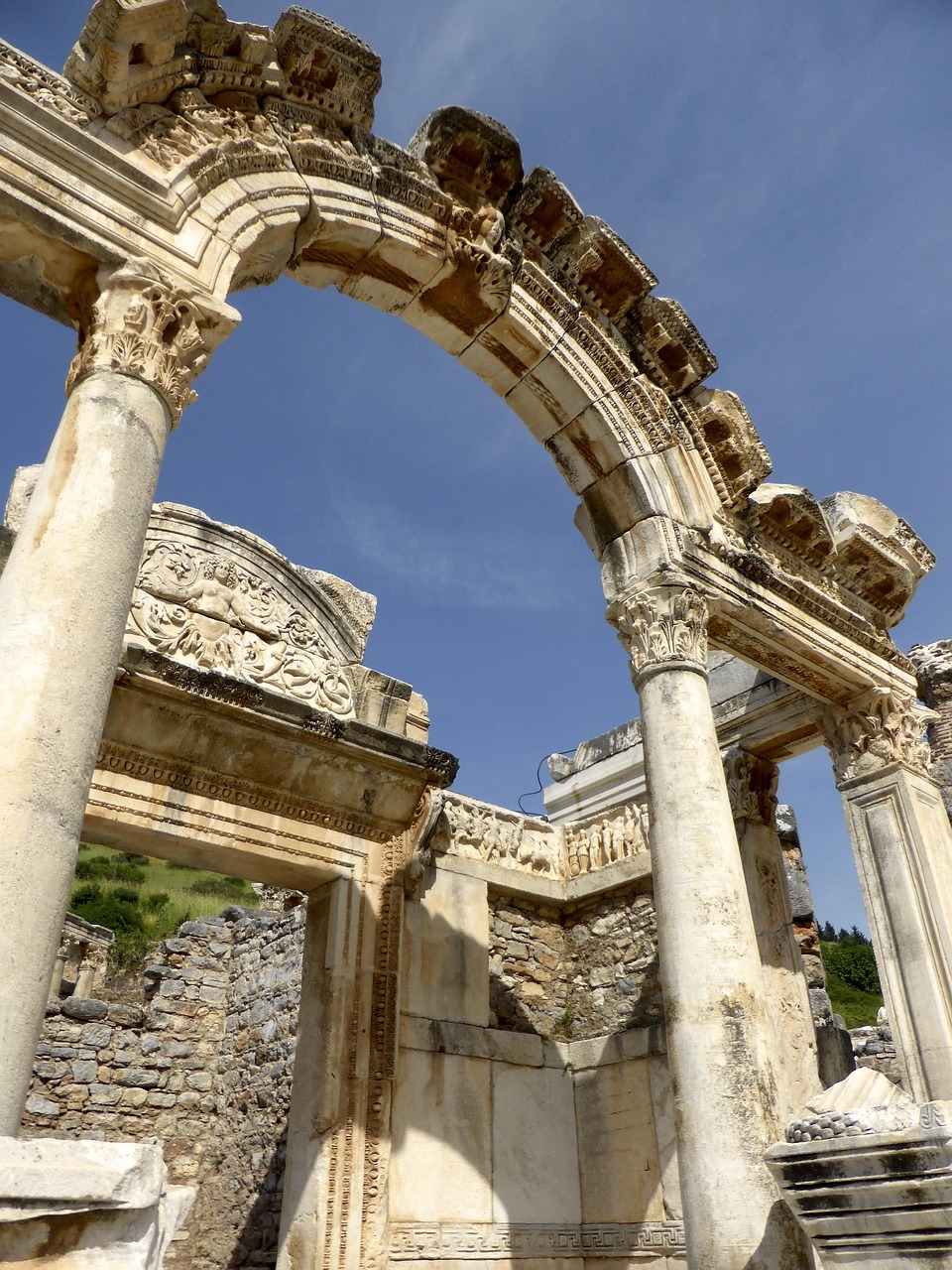
Excavated Roman ruins of the type that often conceal sculpture beneath later building phases, as researchers believe occurred at the Binyamina villa.
The Mystery of the "Lycurgus" Inscription
One bust carries an inscription reading "Lycurgus" carved along its side, and that single word has opened a small scholarly puzzle. The name could refer to the legendary lawgiver credited with founding Sparta's military constitution in roughly the seventh century B.C.E., or it might instead point to the fourth-century B.C.E. Athenian orator and statesman of the same name. Researchers say the ambiguity is itself revealing, suggesting the villa's owners curated busts of historical and literary figures, much as wealthy Romans across the empire collected portrait galleries referencing Greek antiquity to project erudition and status.
A Possible Link to Caesarea
Binyamina sits only a short distance from Caesarea, the Mediterranean port city that became the capital of the Roman province of Judaea in 6 C.E. and grew into one of the empire's most significant eastern cities, complete with a theater, hippodrome, and harbor engineering admired across the region. Researchers now believe the busts may have originated in workshops connected to Caesarea's elite artistic patronage, later finding their way to a rural villa where their owners likely intended to display them prominently before, for reasons still unknown, they were buried.
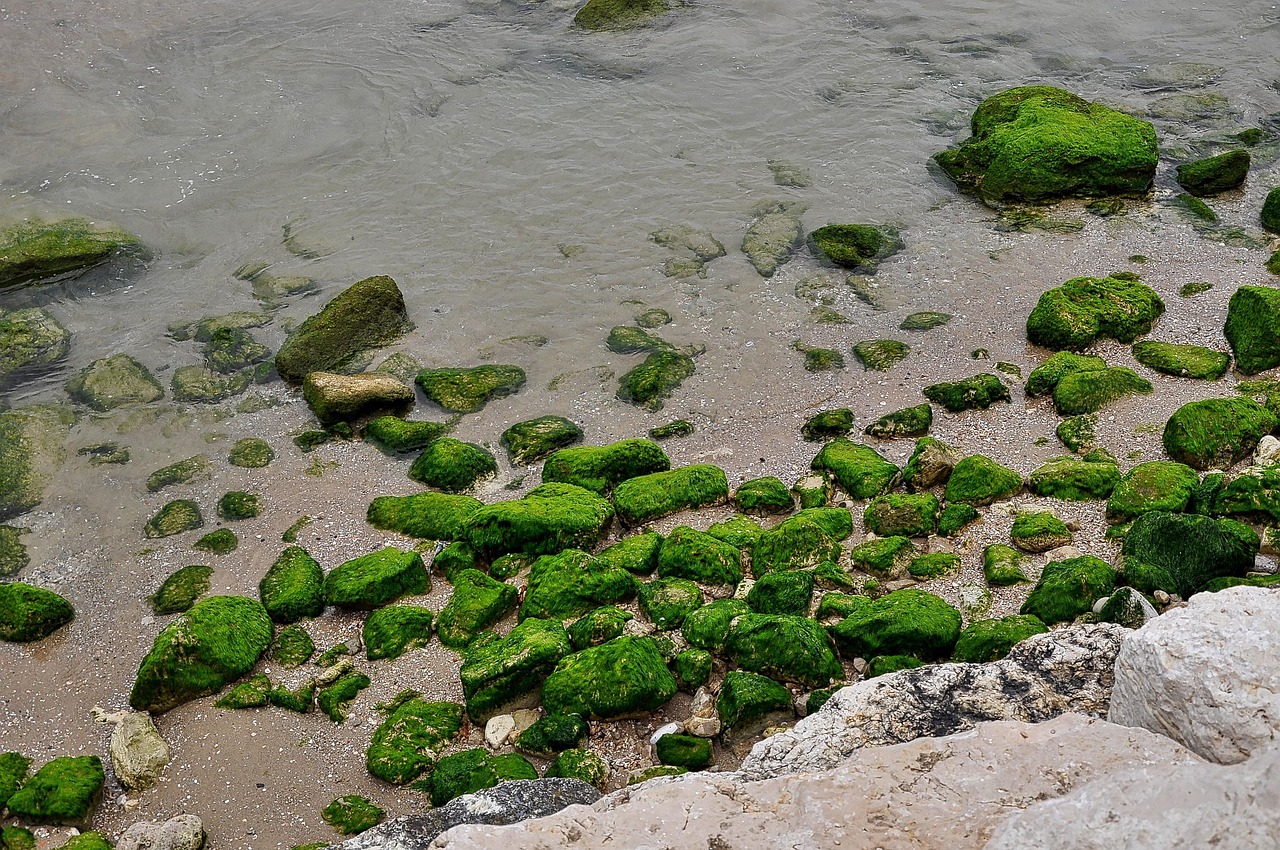
The Mediterranean coastline near the historic port city of Caesarea, a possible origin point for the recently unearthed busts.
Why Archaeologists Call It a Once-in-a-Lifetime Find
Israeli archaeologists quoted by Haaretz described the discovery as a once-in-a-lifetime moment, noting that intact, identifiable Roman portrait busts of this caliber are exceedingly rare outside major excavated cities. Conservation work is reportedly underway to stabilize the marble and study tool marks that may help date the carving more precisely, while historians continue debating which Lycurgus the sculptor intended to honor. The busts are expected to eventually go on public display, offering a tangible link between a forgotten rural villa and the cosmopolitan artistic taste of Roman Judaea.
💡 Key Takeaway
A railway survey near Binyamina uncovered two 1,700-year-old Roman marble busts in near-perfect condition, including one inscribed with the name "Lycurgus," reviving questions about Caesarea's artistic legacy and how such treasures ended up buried in a rural Judaean villa.